Biophilic Design in 2026: Why Nature-Inspired Interiors Are Your Home's New Heartbeat

Discover biophilic design in 2026, transforming homes with nature-inspired elements like plants, natural light, and organic textures. Learn how this science-backed trend, evolving from 2025’s greenery, creates stress-free, sustainable sanctuaries.
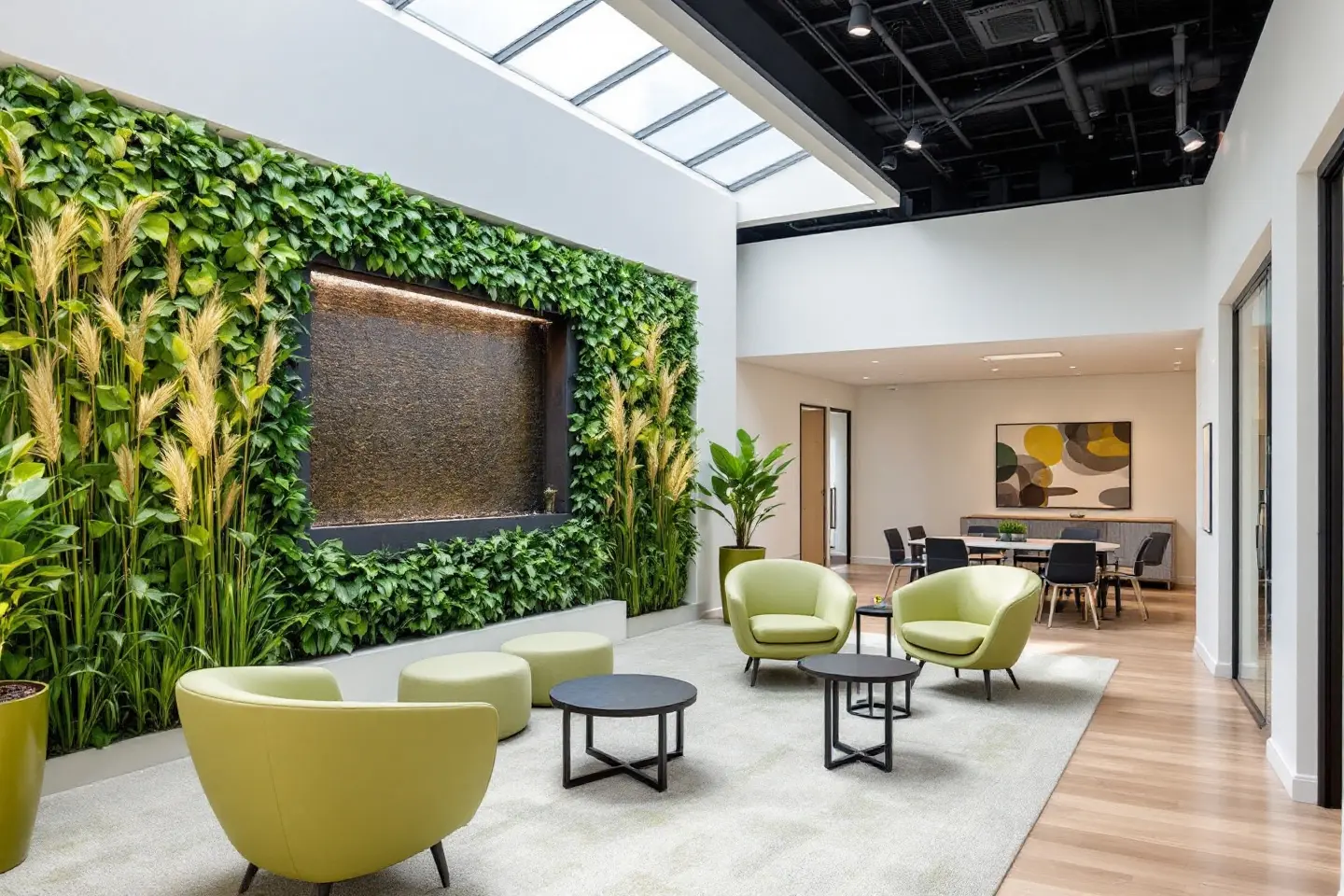
Imagine walking into your home and feeling the city’s chaos melt away—vines cascade over shelves, sunlight floods through oversized windows, and a mossy wall seems to breathe with you. This isn’t a forest fantasy; it’s biophilic design, the 2026 trend that’s turning houses into healing sanctuaries. More than just adding a few plants, it’s about weaving nature’s rhythms—light, textures, patterns—into every corner. Evolving from 2025’s oversized greenery, this approach is backed by science: Studies show nature-inspired spaces cut stress by 20% and boost creativity.
Ready to bring the outdoors in? Let’s uncover what biophilic design really means, why it’s surging, and how it’s reshaping interiors for a greener tomorrow.
What Is Biophilic Design, Anyway?
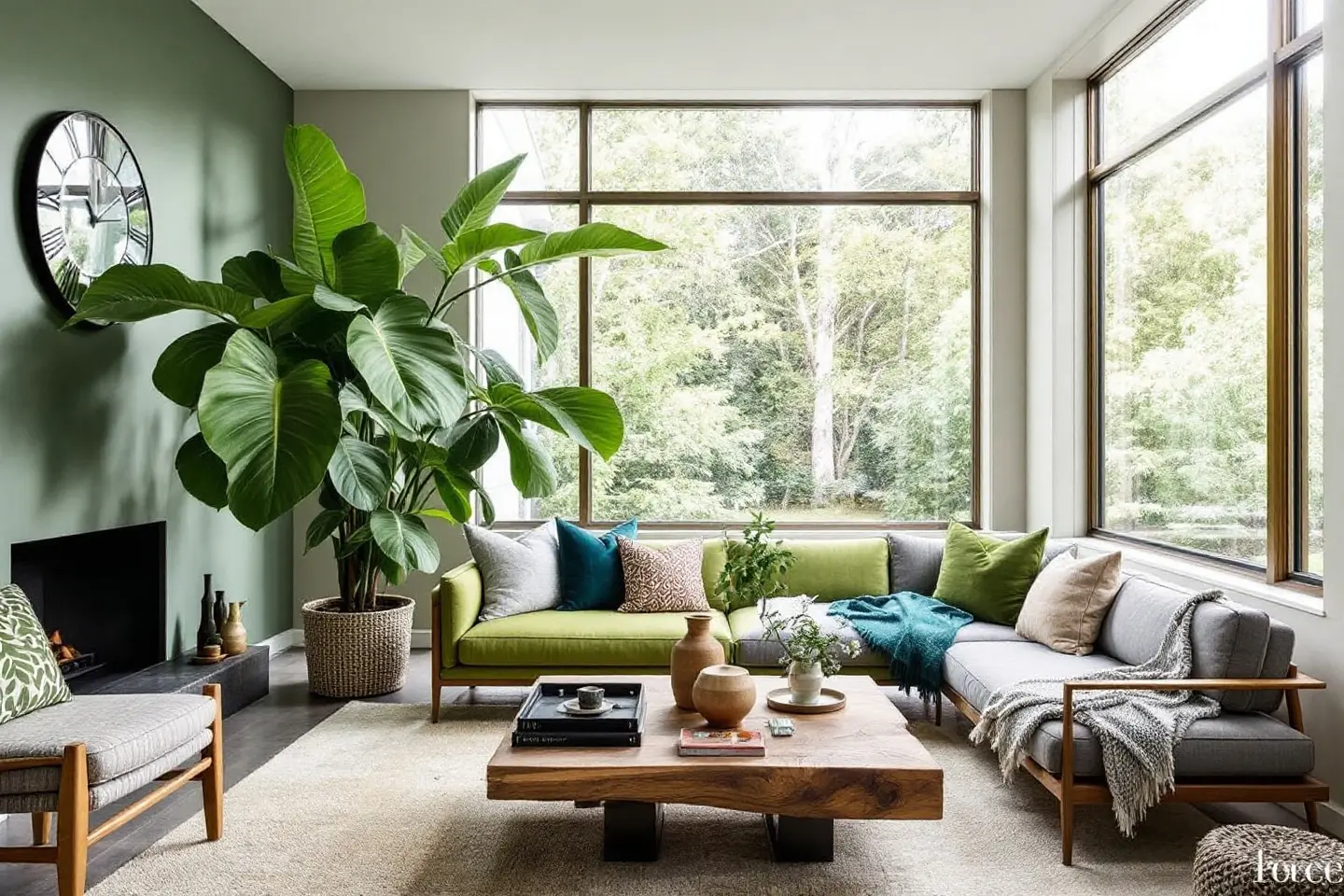
At its core, biophilic design is about mimicking nature’s essence indoors to nurture our well-being. It’s not just decor—it’s a philosophy rooted in our biological need to connect with the natural world. Think living walls of ferns in your kitchen, furniture carved to echo tree branches, or windows strategically placed to flood rooms with circadian-syncing daylight. In 2026, it’s evolving beyond 2025’s plant-heavy trends into immersive ecosystems—vertical gardens, water features, or even air-purifying moss panels. Materials like reclaimed wood, natural stone, and wool dominate, paired with earthy palettes (muddy greens, clay tones) to ground spaces in calm. It’s design that feels alive, not staged.
Why It’s Taking Over in 2026
Why now? Urban sprawl and climate anxiety are pushing us to reconnect with nature—80% of urbanites crave green escapes, per recent surveys. Post-2025, where oversized plants and outdoor integration hinted at this shift, 2026 doubles down with intentional, science-driven spaces. Biophilia reduces cortisol levels, enhances focus, and aligns with sustainability trends, using eco-friendly materials to cut waste. It’s a response to digital overload too—natural textures and analog elements like water sounds counter screen fatigue. From cozy apartments to sprawling homes, it’s a trend that heals, especially for eco-conscious souls and wellness seekers.
Where to Apply Biophilic Design in Your Home
Every room can bloom with biophilia:
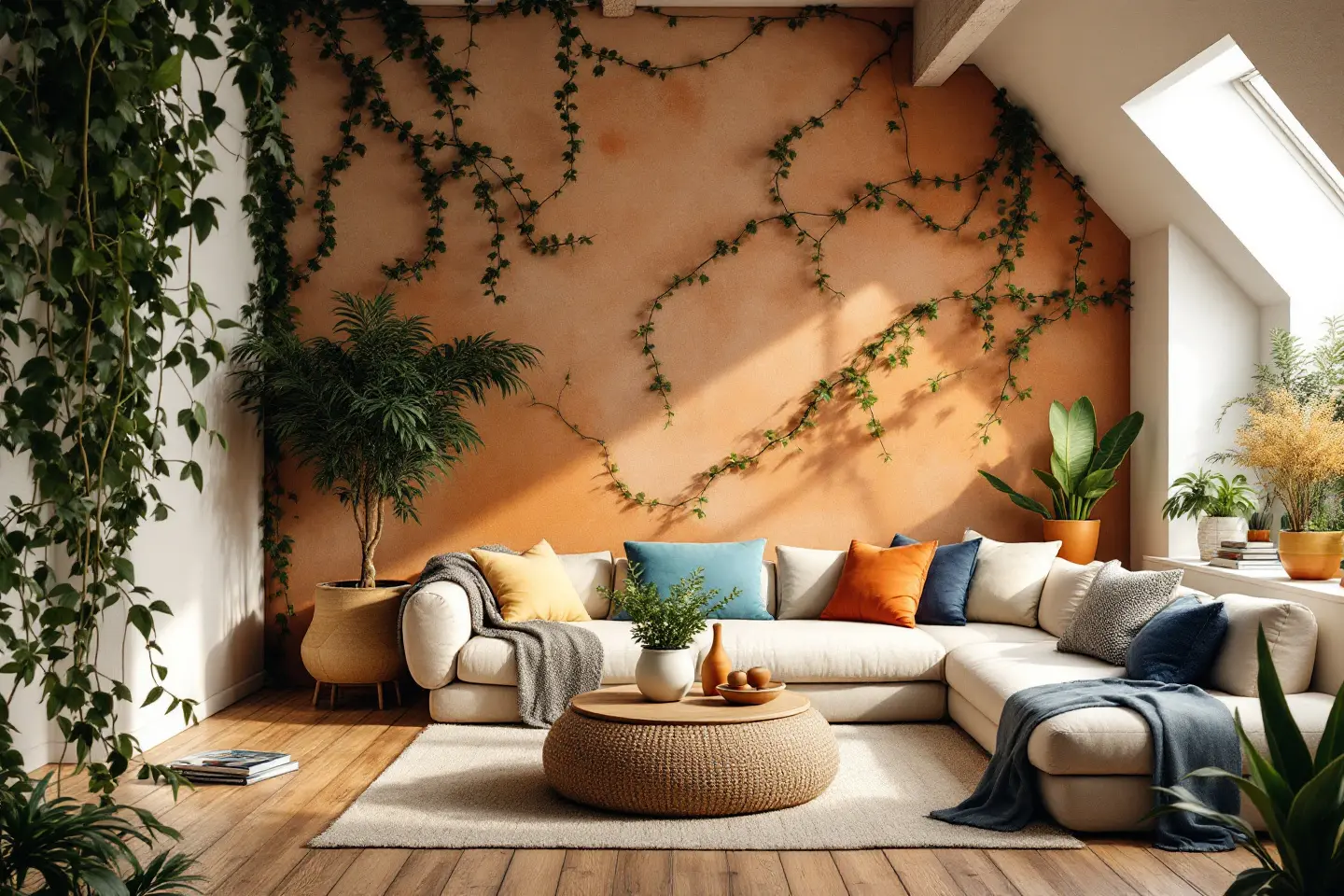
- Bedrooms: Oversized plants like fiddle-leaf figs or monstera purify air and add serenity. Try a wooden headboard with organic curves for a forest-like vibe.
- Living Rooms: Floor-to-ceiling windows or skylights maximize light, paired with stone coffee tables or wool rugs in sage green for tactile calm.
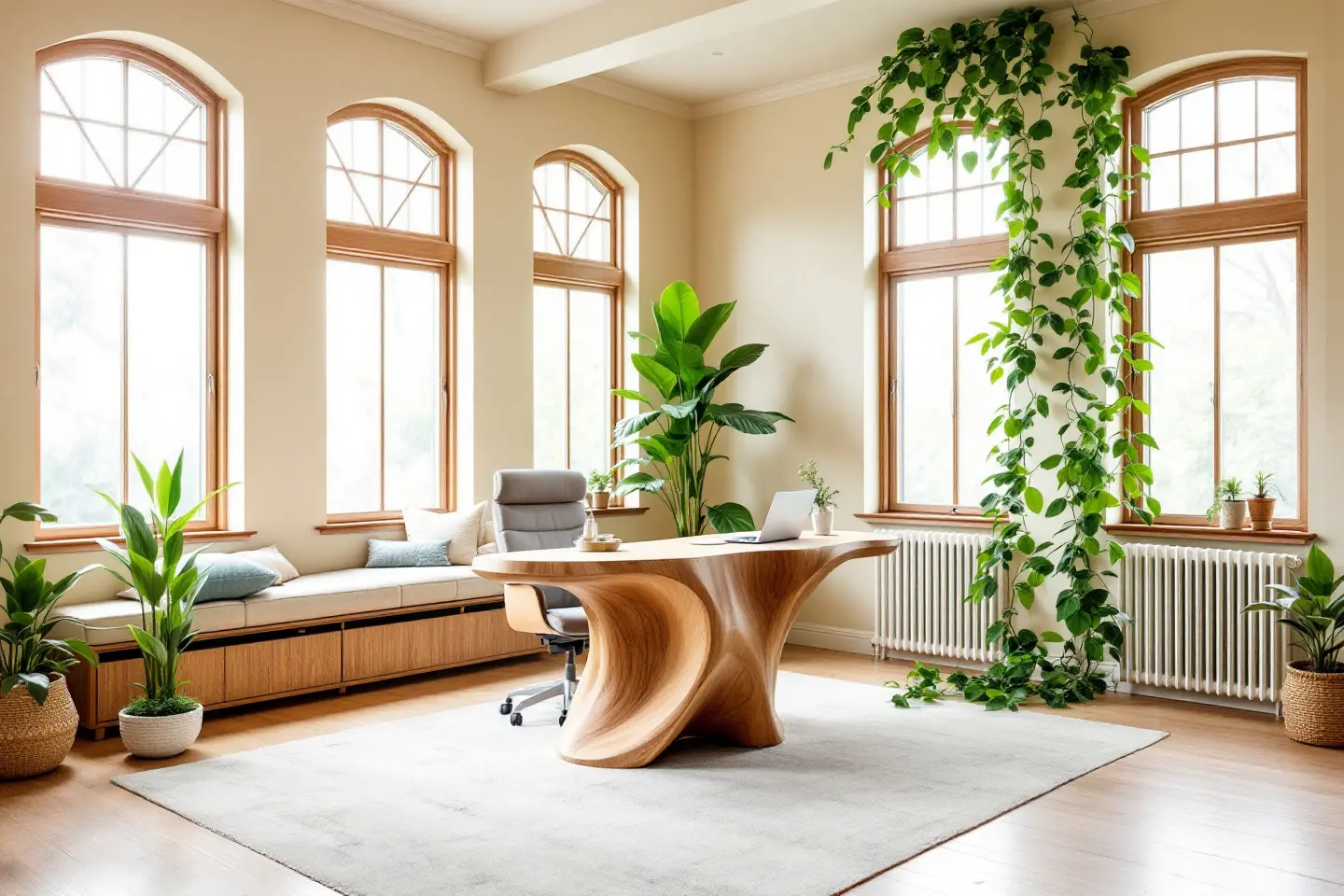
- Offices: Vertical gardens or moss walls boost productivity; natural light and clay-finished desks create focus-friendly nooks.
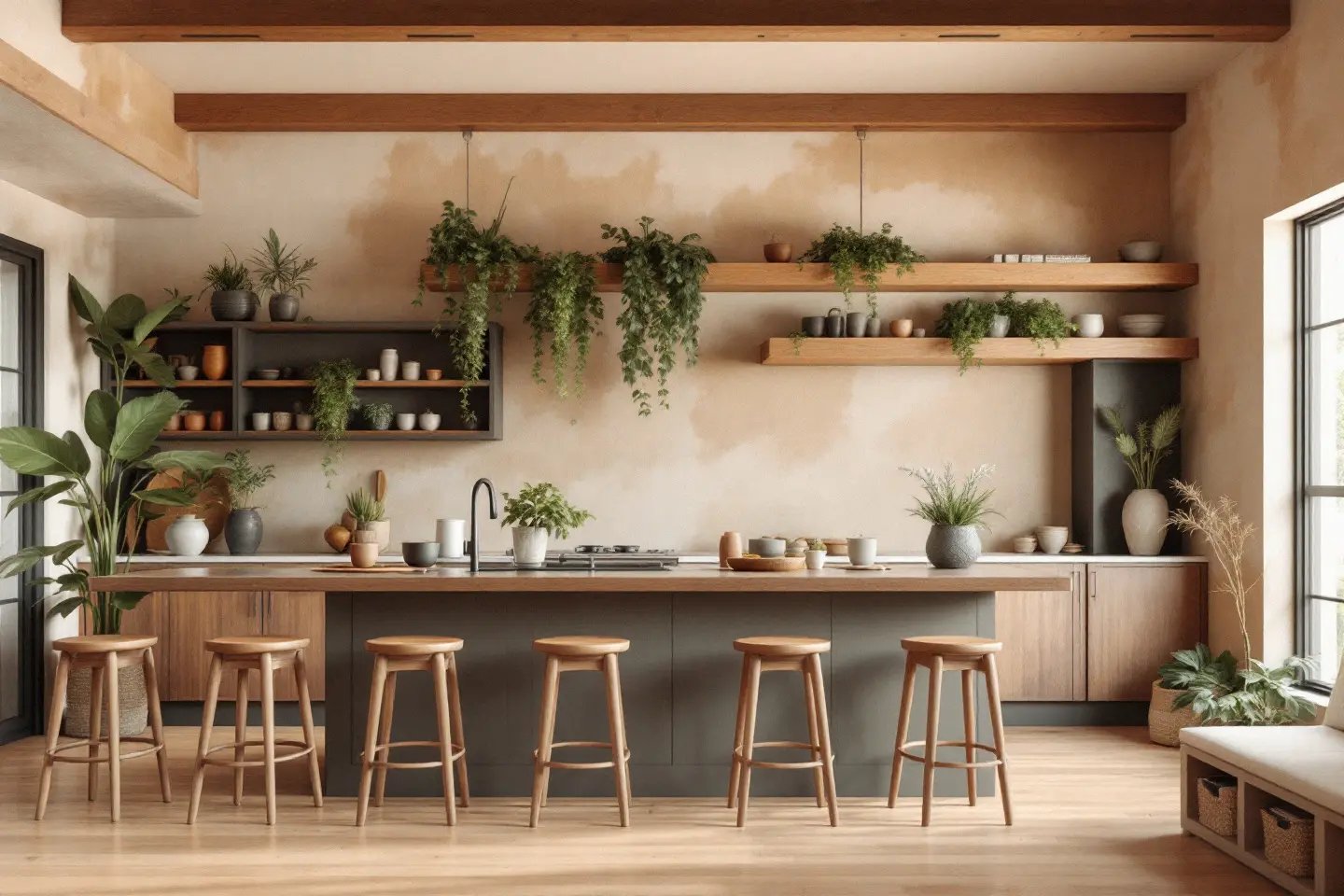
- Kitchens: Herb gardens on countertops or reclaimed wood islands bring function and nature together, grounded by earthy ochre backsplashes.
How to Start Small (or Go Big)
No need for a jungle overhaul—start with a trailing pothos on a shelf or a stone-textured vase for budget-friendly biophilia. For a bold move, install a living wall with ferns or a water feature that hums softly in a wellness nook. Pair with 2026’s creamy neutrals or muddy greens to tie it to current palettes. This trend shines in modern, Scandinavian, or bohemian homes, where simplicity meets soul. Biophilic design isn’t just decor—it’s a lifestyle that makes every day feel like a walk in the woods.

Try it on your own project
Free app for iPhone, iPad, Mac, Android and Windows.